For councils, care homes and home care

Know when a resident may need help. No camera, nothing to wear.

Asks nothing.

Beacon Halo lets care staff know when a resident may need help, day or night.
  • No camera. No microphone.
  • Nothing to wear, press or charge
  • Every alert logged

Why we built it

Prefer to see it live? Book a 20-minute demo
  • TSA
  • Connected Health and Safety Association
  • IoCT — Internet of Caring Things
  • Newcastle University
  • Arrow Innovation Support
  • National Innovation Centre for Data

Who it's for

Good for the resident, the carer and the service.

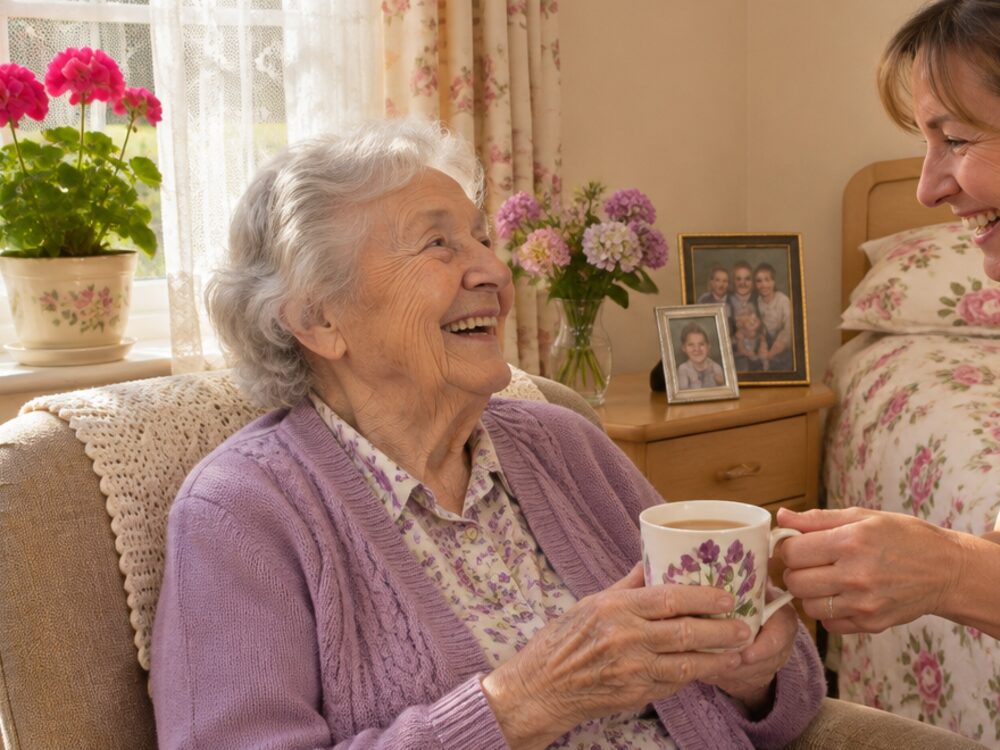
An older woman laughing with a cup of tea in her armchair

For the resident

Privacy and independence, kept.

  • Free to move around their own room
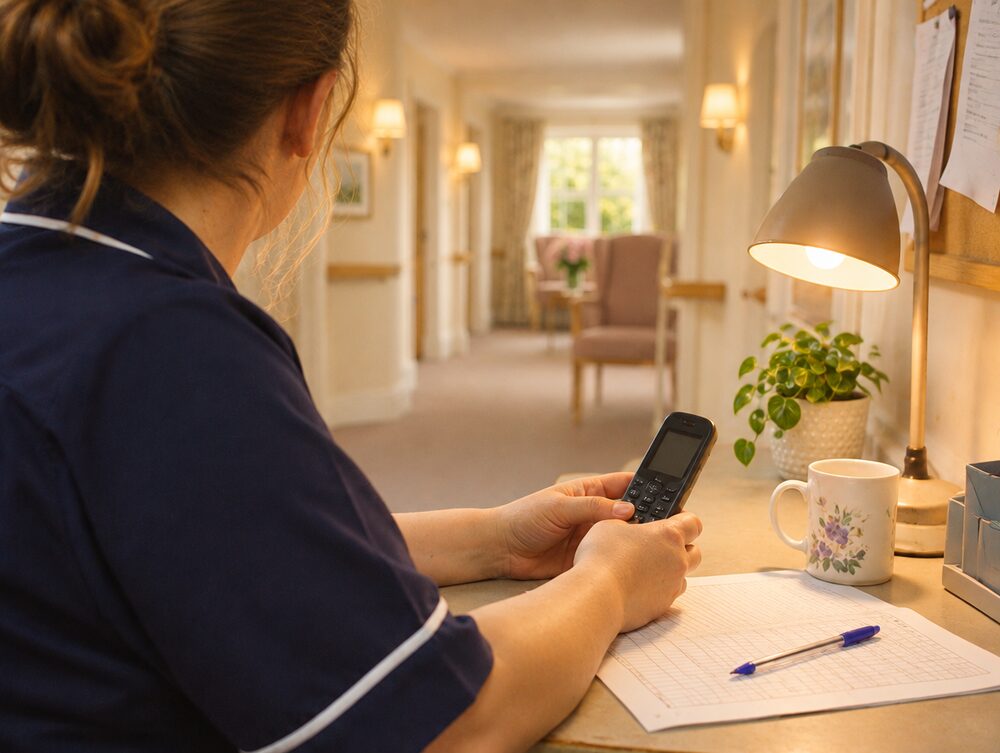
A care worker in uniform at the staff desk, checking a handset beside the handover sheet

For care staff

A nudge when it matters.

  • Alerts reach named staff devices
  • Fitting the systems you already use is our priority
  • Every alert is logged for them
A council care manager reading a report at her desk

For commissioners and managers

Evidence you can take upstairs.

  • Analytics on nights, alerts and response times
  • Record keeping done for you, ready for reviews
  • A no-cost pilot and an outcomes report for your board

One night with Beacon Halo

Quiet when all is well. A nudge when it isn't.

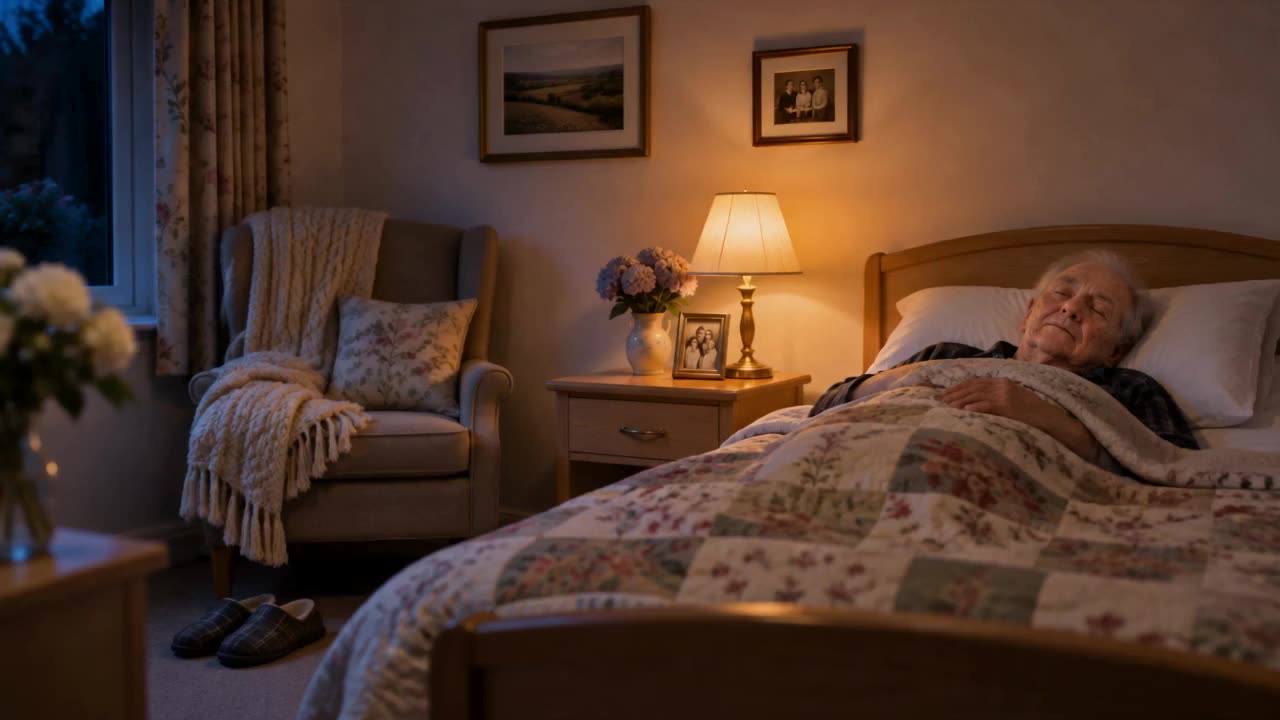
Halo is a small sensor on the bedroom wall. It uses radar to notice movement, not pictures, and staff always decide what to do next.

Example night, Room 12
  1. Up, and not back after a whileThe night carer is alerted to check in.
  2. Carer respondsHe's helped back to bed. One tap records the outcome.
  3. LoggedLogged automatically. Nothing for staff to write.

What your teams see

Clear for carers. Powerful for managers.

Alerts reach named staff devices.
Every night becomes a record you can rely on.

Beacon Halo · InsightsExample data

When alerts happen

Response time

3m2m1m

Changes this week

Room 104Up 4 times, usually 1 to 2.
Room 1133 long bathroom visits (in development). New admission.
Room 105Quieter nights than the last fortnight.

Alert types

Up in the night16
Out of bed11
Bathroom, longer than usual (in development)9
Sat at the bedside (in development)7
On the floor5

Drag to compare. Illustrative film: Halo senses movement with mmWave radar as points like these and never captures an image.

The Founding Partner Pilot

See it working in your own rooms before you spend anything.

We take on a small number of founding partners at a time, so every pilot gets our full attention.

  1. 1
    Choose 3 to 5 roomsFor the people you're most concerned about.
  2. 2
    We install, set up and trainYour team only needs to respond to alerts.
  3. 3
    An outcomes report for your boardReady for a senior management paper.
Book a demo to apply

Assurance

Built to the standards you buy against.

The registrations, cover and quality standards behind every Beacon Halo installation.

  • Health IT, not a medical deviceHalo informs staff. It never makes a clinical decision.
    In place
  • ICO registeredRegistered with the Information Commissioner's Office.
    In place
  • £1 million public liability insuranceCovering installation and service.
    In place
  • UK patent application filedPatent pending.
    In place
  • TSA memberThe voice of technology enabled care.
    In place
  • QSF certification (TEC Quality)Application submitted to TEC Quality; assessment booked.
    In progress

Questions

What people ask us first.

Is it a camera?

No. Halo has no camera and no microphone. It notices movement using radar and does its processing on the device. It cannot record images or sound.

Does it need Wi-Fi?

Halo is internet-based. Tell us about your Wi-Fi and existing systems when you book; we'll confirm the connection needed before your pilot starts.

Can it miss something?

Yes. No sensor is perfect. Your usual checks carry on and staff always decide what to do. We tune Halo for each room during settling-in, and your pilot report shows how it performed.

How is it different from pendants, bed sensors and cameras?

A pendant must be worn and pressed. Bed and chair sensors only show someone has left. Cameras take pictures. Halo needs nothing from the resident, alerts staff when someone is up and not back, and never takes a picture.

What does it ask of staff?

Your team only needs to respond to alerts. Staff always decide what to do next, and one tap records the outcome. We install, set up and train your team.

More questionsShow fewer questions
Does the resident need to do anything?

Nothing at all. There is nothing to wear, press, remember or charge. That matters most for people living with dementia.

Who handles consent?

The care provider leads the conversation with the resident and their family, as part of their usual assessment. We explain the device, answer questions and record what was agreed.

Is Halo a medical device?

No. It's health IT. It lets staff know when someone may need help. It doesn't diagnose, treat or make clinical decisions.

Will it work with the systems we already use?

Alerts reach named staff devices and the manager dashboard. Connections to nurse call, pager and care record systems are being built for our pilots. Tell us what you use; we'll confirm how Halo will connect before your pilot starts.

What if it doesn't earn its place?

We take it off the wall. No obligation to continue. No cost to you if it isn't right. You keep the outcomes report either way. Pilot terms are agreed in writing before installation.

Something we haven't covered? Ask us in a demo

Book a demo

Twenty minutes, your questions, and a live look at the system.

We will email you to agree a time.

  • A walk through the alerts and the manager view
  • How a no-cost pilot would work for you
  • Straight answers on what's ready now
Your role

We'll email you within one working day to agree a time.

No cost, no obligation. We only use your details to arrange the demo. Privacy notice.

Prefer email? founder@beaconlabsystems.com

Book a demo